Emergency medicine
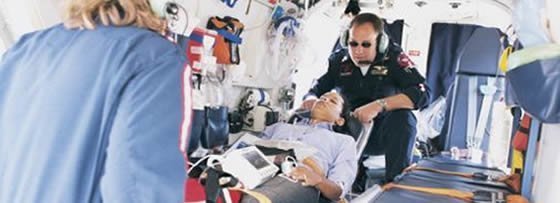
Emergency medicine is a branch of medicine that deals with the diagnosis and prompt treatment of injuries, trauma or unexpected diseases, in which is practiced in a hospital emergency department or in other places like clinics. The job is physically demanding and stressful. How to become an Emergency medicineStudents need to have a high school diploma (in some areas GED certificates may be substituted) in order to become an emergency medical technician. Education of specialist, health, and science courses are strongly optional and may be required before enrolling in some education programs.The training for Emergency Medicine is about 90-100 hours in the classroom and 20 hours in a hospital emergency room. Emergency medical technicians are required to pass state licensing or certification tests and contribute in continuing education programs. Many emergency medical technicians receive associate degrees in their field. Nature of the workEmergency medicine physicians focus on the instantaneous decision making and action indispensable to avoid death or any supplementary disorder. Lives of people frequently depend on the rapid reaction and professional care of emergency medical technicians (EMTs) and paramedics (EMTs) with supplementary advanced training to perform more complicated prehospital medical procedures.Incidents as different as automobile accidents, heart attacks, drownings, childbirth, gunshot wounds, and other grave medical emergencies all need immediate medical attention. EMTs and paramedics give this vital attention as they care for and transport the sick or injured to a medical facility. Note:Emergency Medicine physicians can get training in the following subspecialties:
SalaryThe annual salary for emergency medicine ranges from $25,000 to $37,500. |